
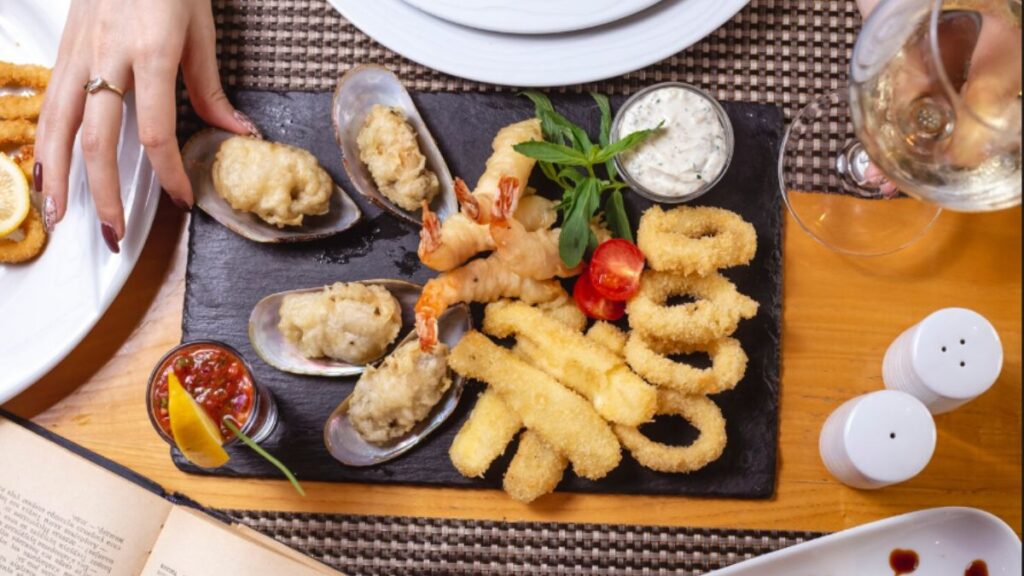
Introduction to Calamariere
Calamariere is not just a dish; it’s an experience that transcends borders and tantalizes taste buds. This delectable seafood delicacy, often made with squid, has woven itself into the culinary fabric of various cultures around the globe. From bustling Mediterranean markets to street stalls in Asia, calamariere showcases an impressive array of styles and flavors that reflect local traditions and ingredients.
As we journey through different countries, we’ll discover how each culture puts its unique spin on this beloved dish. Whether you’re a fan of crispy fried rings or tender bites simmered in rich sauces, there’s something for everyone to enjoy. Ready to explore the world of calamariere? Let’s dive into its origins and see how it has evolved across continents!
Origins of Calamariere
The origins of calamariere can be traced back to the Mediterranean, where fresh seafood has always been a staple. This dish celebrates the versatility of squid, often found in coastal regions.
Historically, fishermen would prepare their catch with simple ingredients. Over time, these recipes evolved into various styles and flavors as cultures blended through trade and exploration.
Italian influences emphasize garlic and olive oil, while Spanish variations introduce vibrant spices like paprika. Each region added its twist, resulting in distinct culinary identities.
The name itself comes from “calamari,” which means squid in Italian. As this delectable dish traveled across borders, it embraced local herbs and cooking techniques.
Today, calamariere is enjoyed worldwide but still echoes its rich heritage deeply rooted in maritime traditions. The stories behind each plate reflect generations of love for food that unites us all.
Different Styles of Calamariere:
Calamariere comes in a fascinating array of styles, each reflecting the culture and culinary traditions of its origin.
Italian-style calamariere is often characterized by its light batter and quick fry, resulting in crispy rings that pair beautifully with marinara sauce or fresh lemon. The focus here is on simplicity and quality of ingredients, making the squid shine.
In Spain, you’ll encounter calamariere served as tapas. Often seasoned with paprika and a hint of garlic, these bites are perfect for sharing over drinks. The flavors are bold yet balanced, capturing the essence of Spanish cuisine.
Greek-style celebrates freshness with grilled calamari drizzled in olive oil and lemon juice. This preparation highlights herbs like oregano or dill for an aromatic twist.
Asian interpretations bring exciting variations too! From tempura-style to spicy stir-fried versions tossed with vegetables, Asian influences introduce new textures and spices that create a unique flavor experience altogether.
A. Italian-style
Italian-style calamariere is a delightful expression of Italy’s rich culinary tradition. Here, the focus is on fresh, high-quality ingredients that bring out the natural flavors of squid.
Typically served as an appetizer, it often features tender rings lightly battered and fried to golden perfection. The secret lies in using just enough flour for a crispy texture without overwhelming the delicate seafood taste.
Accompanied by zesty marinara or aioli dipping sauces, Italian calamariere bursts with flavor. Sometimes you’ll find it seasoned with garlic and parsley, adding aromatic depth to each bite.
In coastal regions like Sicily, variations might include local spices or even a sprinkle of lemon zest for brightness. This style perfectly captures the essence of Mediterranean dining—simple yet elegant dishes that celebrate freshness and quality.
B. Spanish-style
Spanish-style calamariere brings a vibrant twist to this beloved dish. Infused with bold flavors, it often features an array of spices and herbs that celebrate the essence of Mediterranean cuisine.
One popular preparation is “calamares a la romana,” where squid rings are lightly battered and fried until golden. The resulting crunch complements the tender seafood beautifully, making each bite irresistible.
Another favorite is “calamares en su tinta.” This unique version uses ink from the squid itself, creating a rich and luscious sauce. Served over rice or pasta, it’s both visually stunning and deliciously savory.
Accompanying these dishes are zesty dips like aioli or spicy romesco sauce. These elevate the experience further, adding layers of flavor that excite the palate.
In Spain’s coastal regions, you’ll find street vendors serving calamari in fresh baguettes—a simple yet delightful way to enjoy this delicacy on-the-go.
C. Greek-style
Greek-style calamariere is a delightful twist on the traditional dish. It showcases fresh, tender squid marinated in a tantalizing blend of olive oil, lemon juice, and herbs. Oregano plays a starring role, infusing each bite with an aromatic essence that transports you to the sun-kissed shores of Greece.
This variation often features crispy fried rings served alongside tzatziki sauce. The coolness of yogurt and cucumber perfectly complements the warm fritters, creating a wonderful balance of flavors.
In some regions, you may also find grilled calamariere garnished with fresh parsley or accompanied by roasted vegetables. This method enhances the natural sweetness of the squid while allowing its delicate taste to shine through.
Accompanying drinks like ouzo or retsina elevate this experience even further. Greek-style calamariere invites food lovers to explore bold flavors steeped in tradition while celebrating culinary creativity at its best.
D. Asian-style
Asian-style calamariere brings a delightful twist to this beloved dish. With its diverse culinary influences, it varies widely across countries and regions.
In Japan, you might find calamari battered in tempura style, served with soy sauce for dipping. This method highlights the tender texture of the squid while adding a satisfying crunch.
Moving south to Thailand, calamari is often stir-fried with aromatic herbs and spices like lemongrass or Thai basil. The combination of sweet and spicy sauces creates an explosion of flavors that tantalizes the taste buds.
Korean cuisine embraces calamari by mixing it into spicy stews or serving it as crispy fried snacks known as “ojingeo twigim.” These variations showcase how versatile calamari can be within Asian gastronomy.
Each country adds its signature flair, resulting in an exciting array of dishes that cater to different palates. Embrace the adventure that Asian-style calamariere offers!
Common Ingredients in Calamariere dishes
Calamariere dishes are celebrated for their rich flavors and textures, often showcasing a variety of fresh ingredients. At the heart of many recipes lies calamari itself, typically tender squid that absorbs surrounding tastes beautifully.
Olive oil is another staple, especially in Mediterranean styles. It provides a luscious base for sautéing or drizzling over finished dishes, enhancing both flavor and aroma.
Garlic frequently makes an appearance too. Whether minced or whole, it adds depth and complexity to any calamari dish. Fresh herbs like parsley or basil bring brightness and freshness that elevate the overall experience.
Accompanying these key players are spices such as paprika or chili flakes. They add warmth and excitement without overpowering the main ingredient’s delicate taste.
Various sauces—be it marinara in Italian cuisine or soy sauce in Asian adaptations—offer unique twists while complementing the deliciousness of calamariere creations.
Unique Flavors and Variations
Calamariere showcases a stunning array of flavors that reflect its diverse cultural roots. Each region adds its own twist, creating unique taste experiences.
In Italy, you might find calamariere drizzled with zesty lemon and garlic. This bright combination elevates the dish while keeping it simple yet exquisite.
Contrastingly, Spanish variations often incorporate rich spices like smoked paprika and saffron, adding depth to each bite. The infusion of these bold flavors warms the soul.
Greek-style calamariere can surprise you with fresh herbs such as oregano or dill. Served alongside tzatziki sauce, it becomes a refreshing delight on warm evenings.
Asian interpretations introduce ingredients like soy sauce or sesame oil for an umami kick. Here, the dish takes on a savory profile that’s both satisfying and intriguing.
These variations showcase how versatile calamariere truly is—a canvas for creativity across cuisines worldwide!
Health Benefits of Calamariere
Calamariere is not just a delicious dish; it also boasts numerous health benefits. This seafood option is rich in protein, making it an excellent choice for those looking to build muscle or maintain a healthy diet.
Packed with essential vitamins and minerals, calamari can support various bodily functions. It provides vitamin B12, which plays a vital role in brain health and energy production. Additionally, it’s high in selenium, an antioxidant that helps protect your cells from damage.
Low in calories yet filling, calamariere can satisfy hunger without compromising dietary goals. Its omega-3 fatty acids contribute to heart health by reducing inflammation and supporting overall cardiovascular well-being.
Moreover, the versatility of calamari allows for healthier cooking options—grilled or baked preparations retain nutrients while limiting unhealthy fats. Enjoying this global delicacy means indulging in flavor while nourishing your body at the same time.
Where to Find the Best Calamariere Around the World
If you’re on the hunt for the best calamariere, your culinary adventure can take you to some exciting destinations. Italy is a must-visit. Coastal towns like Naples and Sicily serve up fresh, tender calamariere that reflects their rich maritime culture.
In Spain, head to Barcelona’s bustling tapas bars. Here, calamariere takes on a delightful twist with spices and local flair. The lively atmosphere enhances every bite.
Greece offers its own charm in places like Santorini, where calamariere comes grilled or fried to perfection alongside tzatziki sauce.
For Asian variations, street food markets in Thailand are unbeatable. Look out for crispy calamari served with tangy dipping sauces that pack a punch.
No matter where you find yourself traveling, keep an eye peeled for hidden gems that whip up this beloved dish uniquely!
Tips for Making
Creating the perfect calamariere requires a few key tips. Start by selecting fresh squid. Freshness enhances flavor and texture, making all the difference in your dish.
Marinate your squid for at least 30 minutes before cooking. This allows flavors to penetrate deeply, adding richness that will elevate your meal.
When cooking, avoid overcooking. Squid can turn rubbery if left on heat too long. A quick sauté or grill is often enough; aim for just a few minutes per side.
Experiment with spices and herbs to customize your calamariere. Garlic, parsley, or smoked paprika can add layers of taste that are truly unique.
Serve it immediately after cooking for optimal enjoyment! Pair with a zesty dipping sauce or fresh lemon juice to brighten up the flavors even further.
Conclusion
Calamariere is a delightful dish that transcends borders and brings people together through its diverse styles and flavors. Each culture adds its unique twist, showcasing the versatility of this beloved ingredient. From the crispy Italian preparations to the spicy Spanish variations, every bite offers a new adventure.
With common ingredients like squid, flour, and an array of spices and sauces, calamariere can easily be adapted to suit various tastes. The health benefits are also noteworthy; it’s lean protein packed with essential nutrients.
Whether you’re dining at a local seafood restaurant or trying your hand at making calamariere at home, there’s always something new to experience. Exploring different culinary styles around the world enriches our understanding of food as not just sustenance but as art.
So why not embark on your own journey? Experiment with flavors or seek out renowned eateries known for their calamariere dishes. There’s a whole world waiting for you in each plate served!