
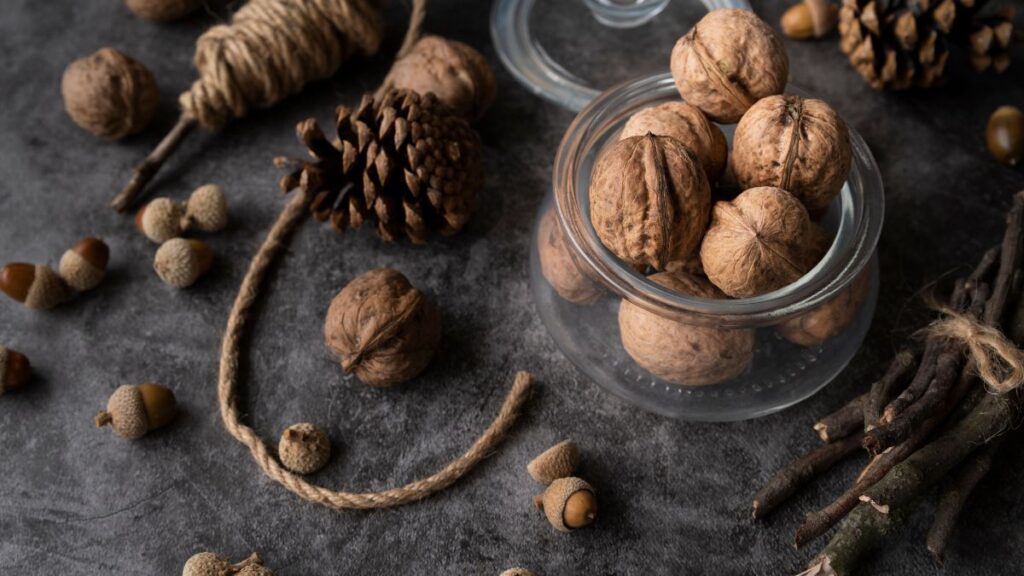
Introduction to Jayfal and its History
Jayfal, commonly known as nutmeg, is more than just a familiar spice found in your kitchen. This warm and aromatic seed has a rich history that dates back centuries. Once sought after for its unique flavor and medicinal properties, it played a significant role in global trade routes during the Age of Exploration. Today, Jayfal remains popular not just for its culinary uses but also for its numerous health benefits.
But what truly sets Jayfal apart from other spices? Its distinct flavor profile and versatility make it an essential ingredient in both sweet and savory dishes. Let’s dive deeper into what makes this spice so special—and why you should consider incorporating it into your cooking routine!
Jayfal Unique Flavor Profile
Jayfal, commonly known as nutmeg, boasts a distinct flavor that is both warm and slightly sweet. It presents an aromatic complexity, blending hints of spice with earthy undertones. This unique profile sets it apart from other spices.
When you first taste Jayfal, there’s a gentle warmth that envelops your palate. It’s not overpowering but rather soothing—a perfect addition to both savory and sweet dishes alike.
In baking, it enhances the taste of pies and cakes, offering depth to flavors like pumpkin or apple. In savory recipes, such as creamy sauces or hearty stews, its earthiness balances richness beautifully.
The versatility of Jayfal allows cooks to experiment freely in their culinary creations. Its rich aroma can elevate everyday meals into something extraordinary without overwhelming the dish’s core flavors.
Health Benefits of Jayfal
Jayfal, or nutmeg, is more than just a flavorful spice. It boasts an impressive array of health benefits that can enhance your well-being.
Rich in antioxidants, Jayfal helps combat oxidative stress in the body. This means it may play a role in reducing inflammation and promoting overall health.
Moreover, this unique spice has been linked to digestive support. Its properties can alleviate symptoms like bloating and gas, making meals more enjoyable.
Jayfal also possesses calming effects on the mind. Many people use it as a natural remedy for insomnia and anxiety due to its mild sedative qualities.
In addition to these benefits, some studies suggest that Jayfal may help improve blood circulation. Enhanced circulation contributes to better heart health and vitality throughout the day.
How to Cook with Jayfal
Cooking with Jayfal, or nutmeg, opens a world of fragrant possibilities. Its warm and slightly sweet flavor can elevate both sweet and savory dishes.
For desserts, sprinkle a pinch into your favorite pumpkin pie or custard. It adds depth without overpowering the other ingredients. In beverages, a dash enhances chai tea or hot cocoa beautifully.
When it comes to savory meals, try incorporating Jayfal into creamy sauces or soups. A small amount in mashed potatoes creates an unexpected twist that delights the palate.
Be cautious; too much can be overwhelming. Start small—just a quarter teaspoon is often enough to make an impact.
Experiment by pairing it with cinnamon for baked goods or adding it to marinades for meats. The versatility of Jayfal makes it a spice worth having on hand in your kitchen arsenal.
Comparing Jayfal to Other Spices
Jayfal, or nutmeg, stands out with its unique warm and slightly sweet flavor. Unlike spices like cinnamon or allspice that lean heavily on sweetness, jayfal brings a complex profile that includes hints of earthiness.
When compared to cloves, which have a bold and pungent taste, jayfal offers more subtlety. It’s often used in both savory dishes and desserts, showcasing its versatility.
Turmeric boasts vibrant color and health properties but lacks the aromatic quality found in nutmeg. Jayfal’s essential oils create an inviting scent that elevates any dish it touches.
While cardamom adds floral notes to cooking, jayfal leans into deeper warmth. This makes it perfect for spicing up creamy sauces or rich pastries without overpowering other flavors.
Each spice carries its own story and purpose in culinary traditions worldwide. Yet none quite replicate the distinctive charm of jayfal.
Common Myths about Jayfal
Many people have misconceptions about jayfal, or nutmeg. One common myth is that it is toxic in large amounts. While excessive consumption can lead to unpleasant effects, moderate use in cooking is perfectly safe.
Another myth suggests that all forms of nutmeg are interchangeable. However, fresh ground jayfal offers a more robust flavor compared to pre-ground versions. The difference can elevate your dishes dramatically.
Some believe that jayfal only belongs in sweet recipes like desserts and pastries. In reality, its warm spice shines in savory dishes as well—think stews and curries.
Many think it’s difficult to work with this spice. On the contrary, incorporating jayfal into your meals can be simple and rewarding once you understand its unique characteristics.
Conclusion: Incorporating Jayfal into Your Cooking Routine
Adding Jayfal, or nutmeg, to your cooking routine opens up a world of flavor and health benefits. This versatile spice enhances both sweet and savory dishes, making it an essential ingredient in many kitchens. Its unique warm undertones can elevate everything from creamy sauces to baked goods.
To incorporate Jayfal into your meals, start by grating fresh nutmeg directly into recipes for maximum freshness. A pinch can transform your morning oatmeal or a traditional pumpkin pie. Experiment with adding it to stews or roasted vegetables; the results are delightful.
As you explore different culinary uses for this fragrant spice, you’ll likely discover new flavors that excite your palate. Whether you’re an experienced chef or a home cook just starting out, embracing Jayfal will enhance not only the taste of your food but also its nutritional value.
So go ahead—bring this remarkable spice into your kitchen and let its rich history and unique qualities inspire your next meal!